The Far North Line is widely regarded as one of Britain’s most scenic railway journeys, carrying passengers through dramatic landscapes, across sweeping moorland, beside sea lochs and into the remote communities of the Highlands and Caithness. Today, the line connects towns and villages from Inverness to Wick and Thurso, but it wasn’t always the railway we know today.
For much of its history, the line was served by a greater number of stations. Some existed for almost a century, while others survived for only a few years before changing travel patterns and railway expansion made them redundant. Most of the stations featured in this article closed on 13 June 1960, during British Rail’s programme of rationalisation in Scotland, three years before the publication of Dr Richard Beeching‘s famous The Reshaping of British Railways report.
Although the trains no longer stop at these locations, many still have fascinating stories to tell. Some station buildings survive as private homes, others have almost disappeared, while a few still leave visible traces that can be spotted from passing trains.
Meikle Ferry (1864–1869)
Opened on 1 June 1864, Meikle Ferry was one of the shortest-lived stations on the Far North Line. It served as the northern terminus of the railway for passengers travelling onwards to Dornoch using the nearby ferry crossing and a horse-drawn coach.
Its importance was short-lived. Once the railway was extended north to Bonar Bridge (now Ardgay), travellers no longer needed to leave the train to continue their journey. With only a small local population to serve, Meikle Ferry became unnecessary and closed on 1 January 1869, after less than five years in operation.
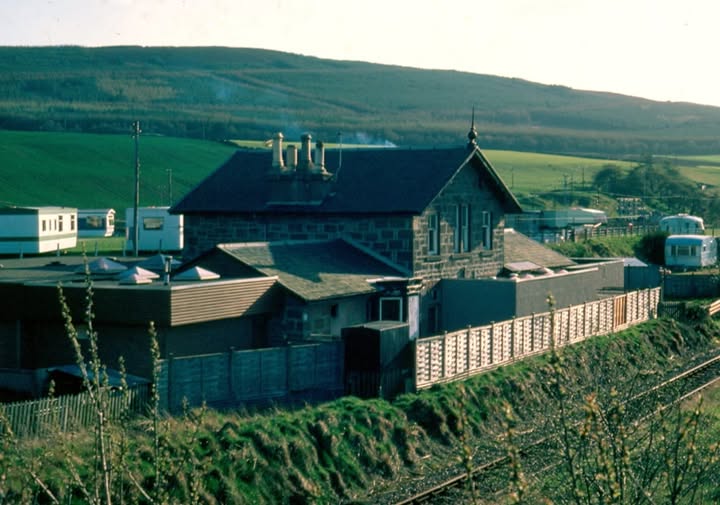
Unlike many former stations on the Far North Line, the original station building still survives. Over the years it has had several uses, including operating as the Dornoch Bridge Inn, and more recently as Meikle Ferry Station, while retaining its historic railway character.
Meikle Ferry station (Alan Young).
Edderton (1864–1960)
Edderton station opened in 1864 and served the village for almost a century. Like many rural Highland stations, it provided an important connection for local residents, agriculture and goods traffic.
Passenger services ended on 13 June 1960 as part of the Scottish Region railway rationalisation. Although trains continue to pass through the village today, none stop there.
The former station building remains standing as a private residence, preserving part of the area’s railway heritage. Interestingly, Edderton has attracted renewed attention in recent years, with the local community exploring the possibility of reopening the station as a request stop. Strong public support has demonstrated that even today there is interest in restoring rail access to the village.
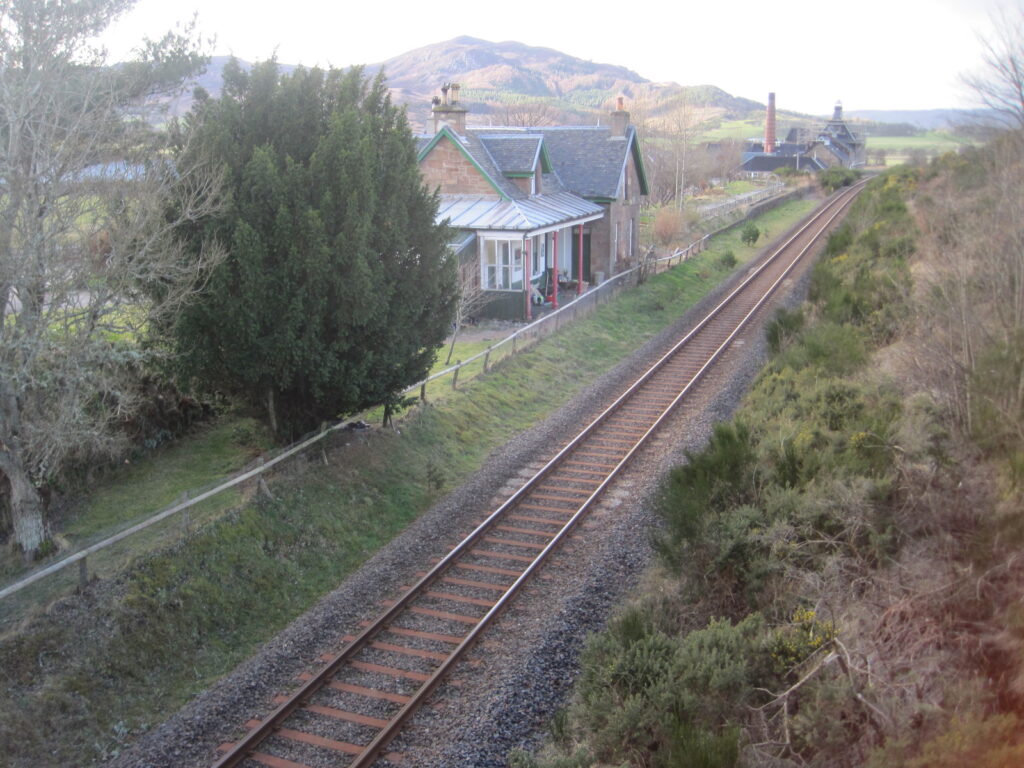
Edderton station (Nigel Thompson).
The Mound (1868–1960)
Few stations on the Far North Line have a history as significant as The Mound.
Opened on 13 April 1868, the station takes its name from the nearby embankment built by the renowned engineer Thomas Telford across the head of Loch Fleet. For many years it was more than simply a stopping place; it was an important junction.
In 1902, the Dornoch Light Railway opened, branching from The Mound and providing rail access to Dornoch. Separate platforms and additional sidings transformed the station into a busy interchange where passengers changed trains between the branch and the main line.
The branch closed on 13 June 1960, and The Mound station closed on the very same day. Although the station has disappeared, trains still pass through the site, and the line continues to carry passengers between Inverness, Wick and Thurso.
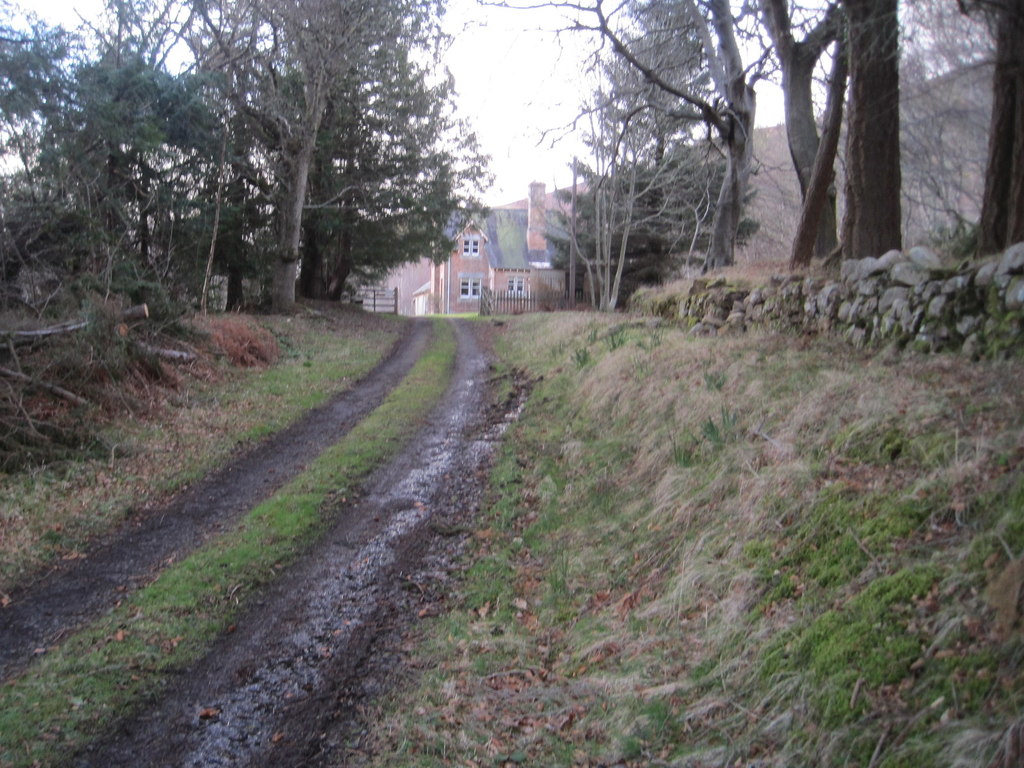
The Mound (Nigel Thompson).
Loth (1871–1960)
Loth station opened in 1871 and served the scattered communities between Brora and Helmsdale.
By the mid-twentieth century, staffing had been reduced, and the goods facilities were downgraded to an unstaffed public siding, although the station was never officially designated as a halt.
Passenger services ceased on 13 June 1960, while goods traffic continued for another four years before finally ending in 1964.
Today, little remains of the station, but its story reflects the gradual decline experienced by many small rural stations as road transport became increasingly popular.
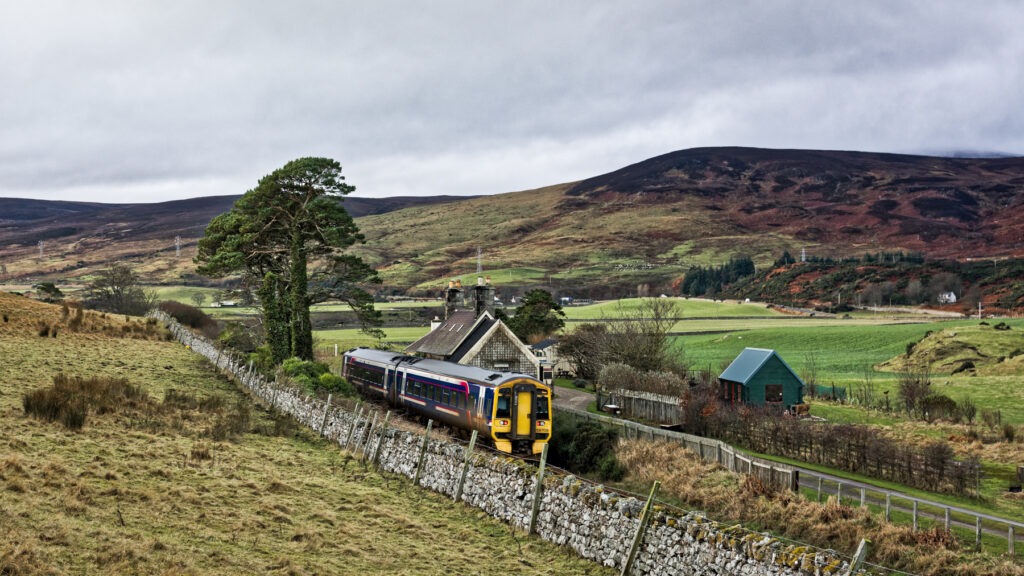
West Helmsdale (1870–1871)
West Helmsdale holds the distinction of being one of the shortest-lived stations on the Far North Line.
It opened on 1 November 1870 as a temporary terminus while construction continued northwards. Situated near Gartymore, approximately three-quarters of a mile south of today’s Helmsdale station, it enabled trains to operate while engineers completed the next section of the railway.
After only seven months, the line reached Helmsdale and the temporary station closed on 19 June 1871.
No known photographs of the original station survive, and there are no visible remains today, making West Helmsdale one of the most elusive locations in the history of the Far North Line.
Halkirk (1874–1960)
Halkirk station opened on 28 July 1874 and became one of the principal intermediate stations between Scotscalder and Georgemas Junction.
Serving one of the largest communities in Caithness, the station remained an important part of village life for many decades before closing on 13 June 1960.
Today, Halkirk is recognised as one of Britain’s most northerly disused railway stations. Although most of the station has disappeared, careful observers can still identify surviving features that hint at its former role on the railway.
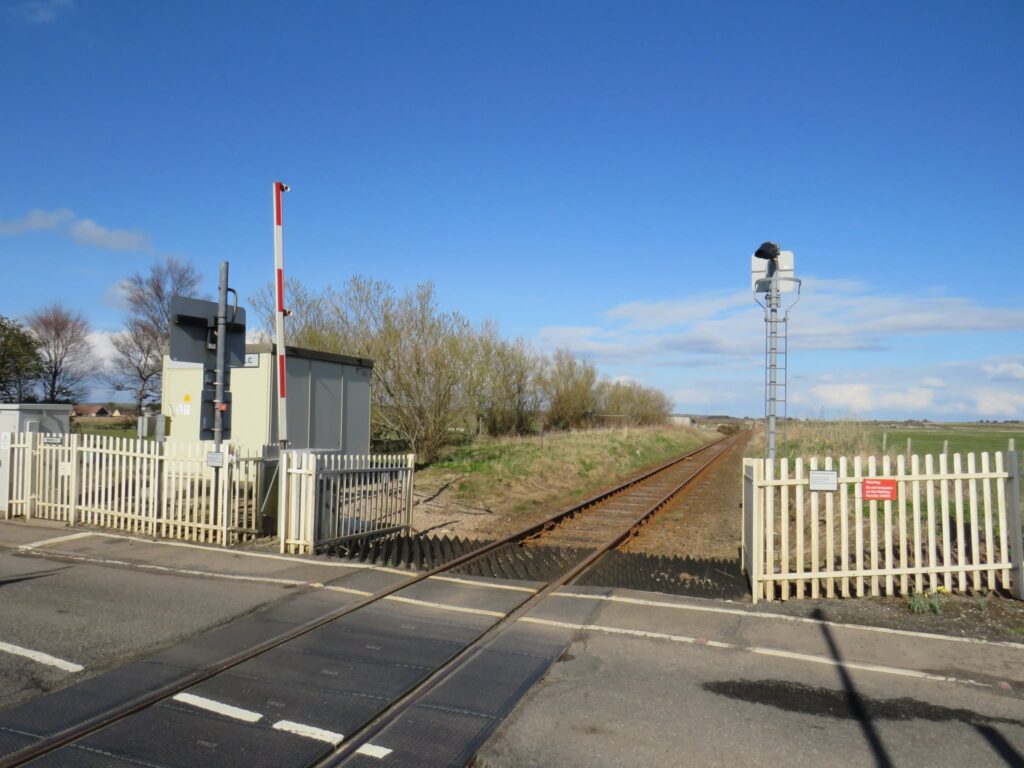
Halkirk (Malc McDonald).
Bower (1874–1960)
Located between Georgemas Junction and Wick, Bower station opened alongside the extension of the railway into Caithness in 1874.
Passenger services ended on 13 June 1960, but unlike many stations, goods traffic continued for a further four years. The goods siding finally closed in May 1964, marking the end of railway operations at Bower.
Although little remains today, Bower represents one of several rural stations that once connected farming communities with markets across the Highlands.
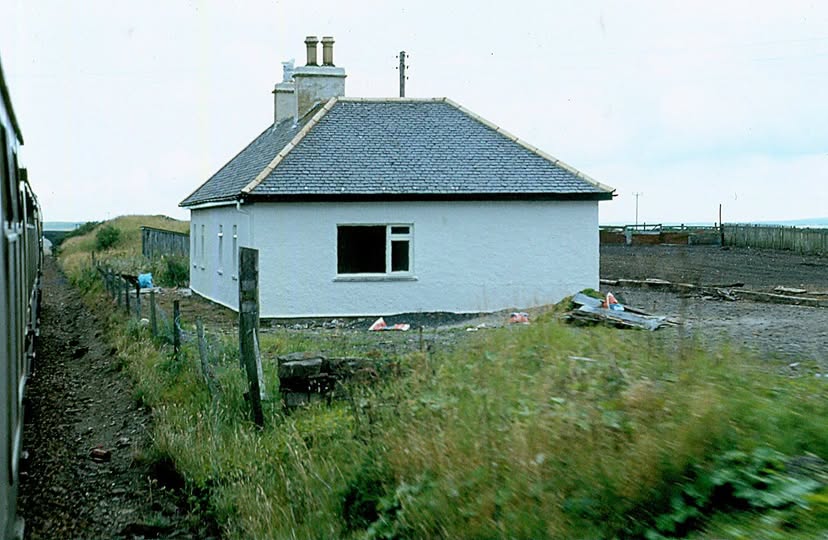
Bower (Alan Young).
Watten (1874–1960)
Watten station, situated near the eastern end of Loch Watten, also opened on 28 July 1874.
For generations it provided an important transport link for local residents before becoming one of the smaller stations closed during the rationalisation of 13 June 1960.
The station master’s post remained remarkably stable during its early years, with Mr Phimster serving from 1876 until 1909.
Although trains continue to pass the site, Watten has long since lost its platforms and regular passenger services.
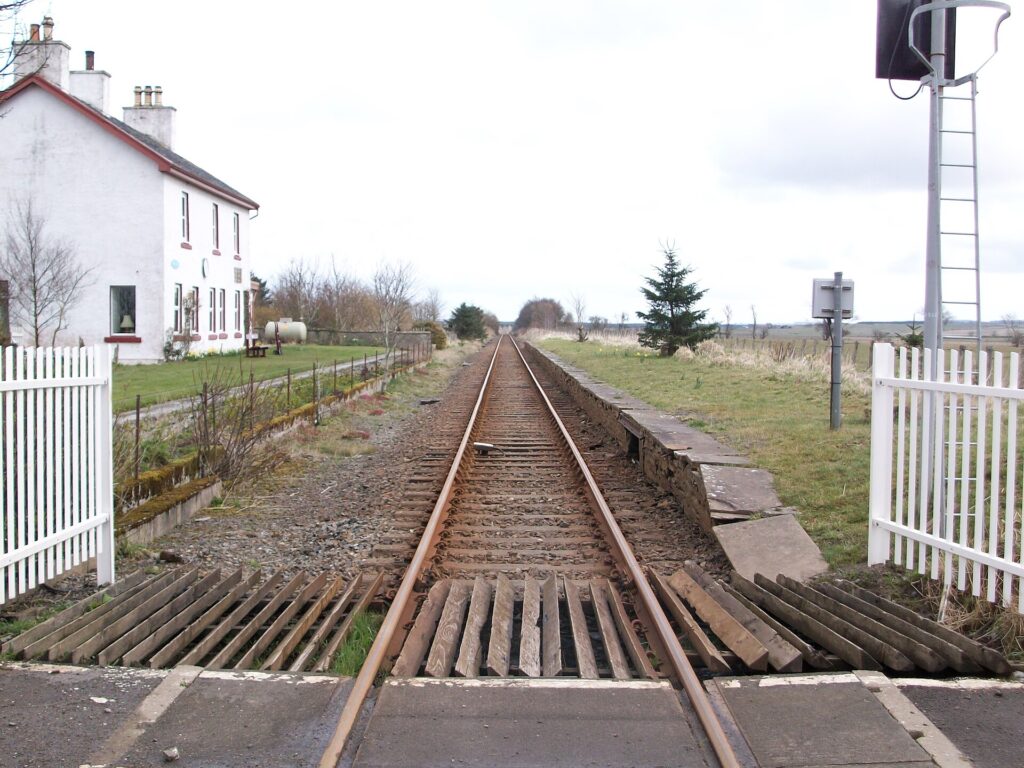
Watten (Flaxton).
Bilbster (1874–1960)
Bilbster station opened on 28 July 1874 and served the surrounding rural community west of Wick.
Its history includes an unusual event. In September 1877, just three years after opening, the original station buildings were destroyed by fire. Despite this setback, the station continued to serve passengers for many decades afterwards.
Like several neighbouring stations, Bilbster eventually closed on 13 June 1960, ending almost 86 years of passenger service.
Today, little remains to indicate that trains once stopped here, yet Bilbster remains an important part of the railway’s story.
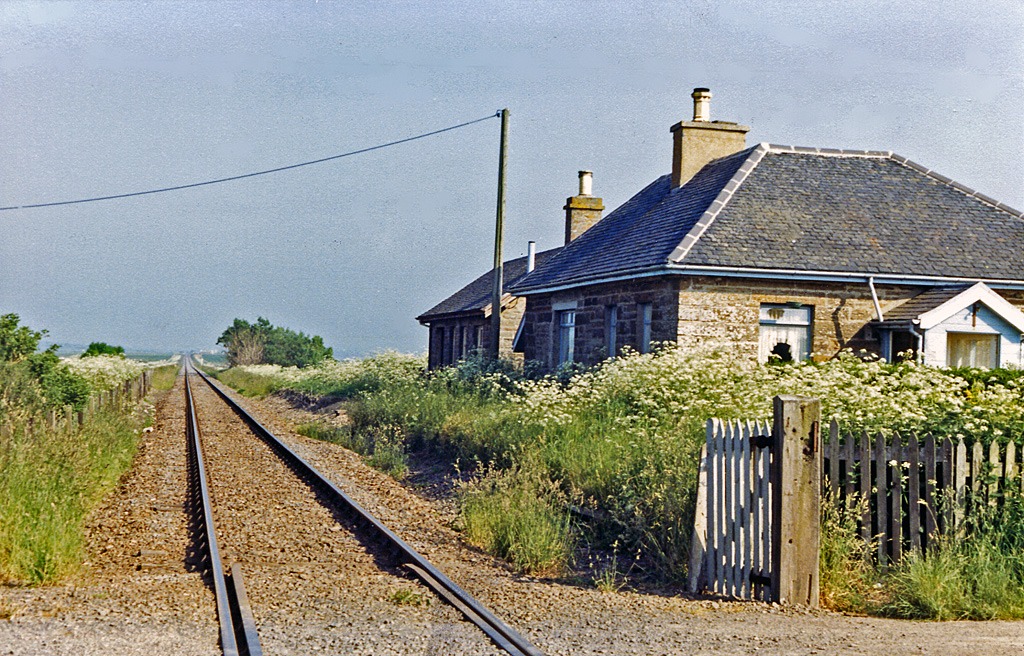
Bilbster (Ben Brooksbank).
A Railway That Continues to Connect Communities
While these nine stations have disappeared, the Far North Line continues to fulfil the role it has for more than 150 years: connecting communities, supporting tourism, and providing access to some of Scotland’s most spectacular scenery.
For those travelling the line today, it is worth keeping an eye out of the window. Hidden among fields, woodland and open moorland are the sites of stations that once welcomed passengers from across the Highlands. Although many have vanished, their stories remain an important part of the rich history of the Far North Line.
Whether you are a railway enthusiast, local historian, or simply enjoying one of Britain’s great rail journeys, remembering these lost stations offers a fascinating glimpse into how travel across the Highlands has evolved over the last century and a half.