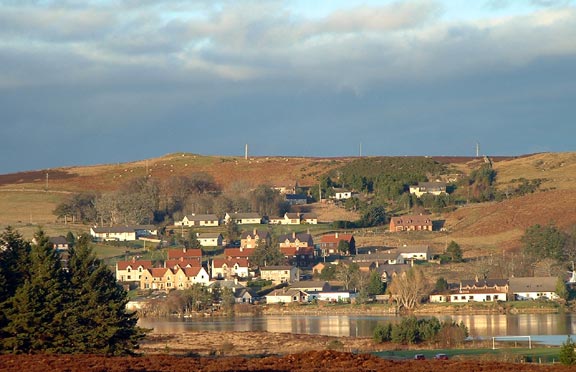
Lairg – The Crossroads of the North and the Heart of Sutherland

lairg
Photo from Dorcas Sinclair, CC

Nestled in the heart of Sutherland, surrounded by lochs, forests and open moorland, Lairg has long been known as the Crossroads of the North. While many visitors pass through on their way to the spectacular north-west coast, those who take time to explore soon discover a village with a remarkable history, shaped by agriculture, engineering and one of Scotland’s most iconic railway lines.

For centuries, Lairg has been a meeting place. Long before the railway arrived, people travelled here from every corner of Sutherland to trade, do business and continue their journeys across the Highlands. When the railway reached Lairg in 1868, it didn’t create the village’s importance – it strengthened it.

Today, the Far North Line still offers one of the most scenic ways to arrive, allowing visitors to experience the Highlands at a gentler pace while discovering a community that has continually adapted over the centuries.

A Village at the Centre of Everything
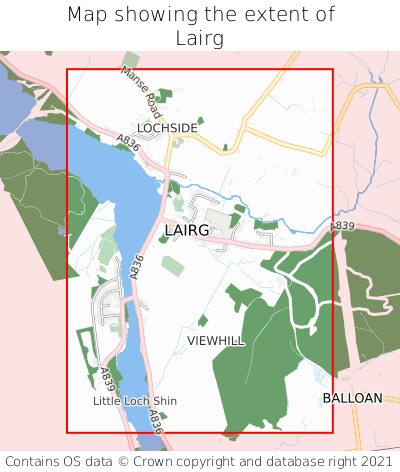
Lairg Map

Lairg occupies a unique position in the Highlands. Roads radiate from the village towards Durness, Tongue, Lochinver, Scourie, Ullapool, Bonar Bridge and Golspie, making it the natural gateway to much of northern and western Sutherland.

Its central location meant Lairg became far more than a small Highland village. It developed into the commercial and social centre for a vast rural area, providing shops, hotels, a bank, agricultural merchants and services for communities spread across hundreds of square miles.

Although many of those businesses have disappeared as shopping habits and transport have changed, Lairg continues to serve as an important hub for residents and visitors alike.

The Railway That Changed the Highlands
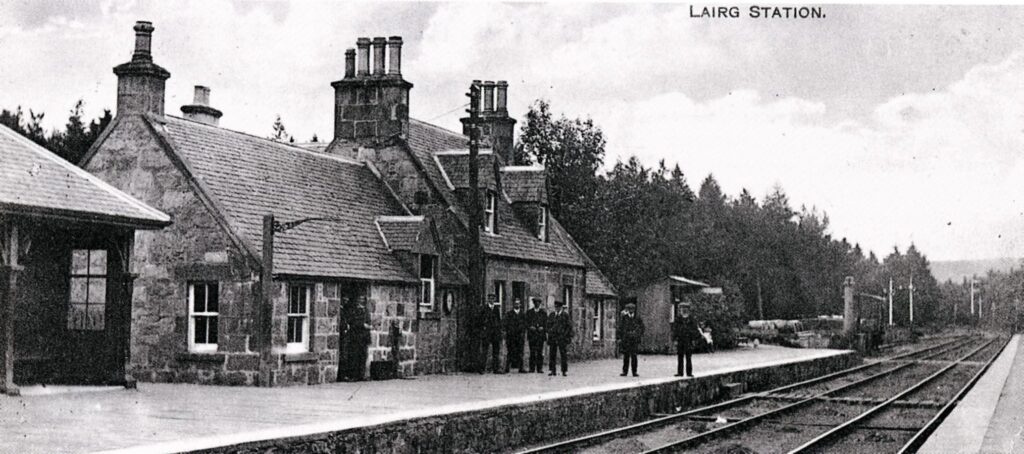
Old postcard of Lairg Station c1913 Lairg Local History Society

When the Sutherland Railway reached Lairg on 13 April 1868, the village entered a new chapter.

The station was built around two miles south of the village itself, on ground better suited to the railway, but it quickly became one of the busiest transport centres in the Highlands.

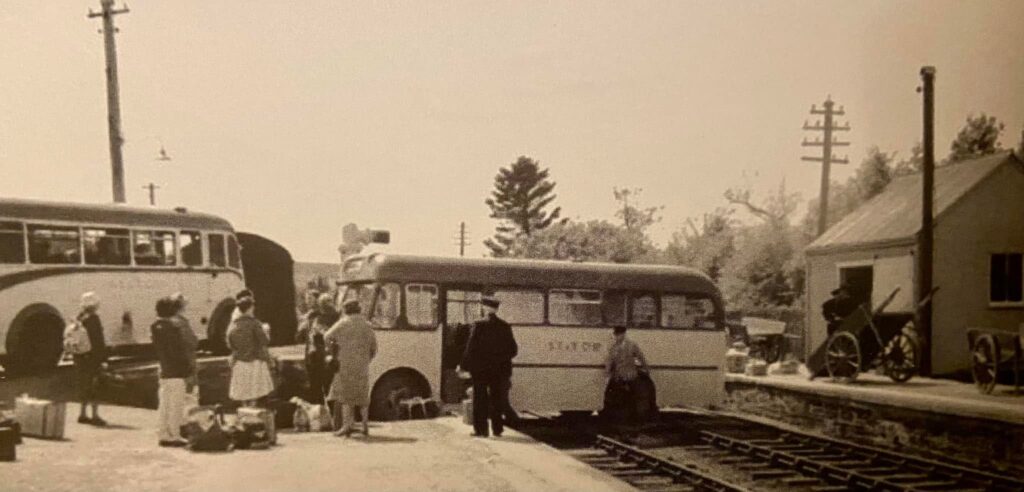
Lairg was the railhead for much of north-west Sutherland. Passengers travelling to places such as Tongue, Durness and Lochinver would leave the train here before continuing their journey by road. For many years, buses met arriving trains at the station, collecting passengers, parcels and even mail destined for some of Scotland’s most remote communities.

It was a bustling scene that demonstrated just how vital the railway had become to everyday life.

More Than Just a Station

lairg station
Historylinks Archive from the Sinclair collection

Lairg station was far more than a place where trains stopped. Behind the platforms stood an extensive freight yard, sidings, a turntable and loading facilities that handled everything from livestock and agricultural produce to fuel and general goods.

The station was also the starting point for journeys much further into Sutherland. In 1905, William Wallace of the Sutherland Arms Hotel in Lairg introduced motor vehicles to the existing mail routes from Lairg Station. By 1910, he was operating around a dozen open wagonettes, carrying passengers, mail, livestock and goods between the railway and the remote communities beyond.

In 1920, the business became the Sutherland Transport & Trading Co. Ltd, better known locally as the ‘Transport’. It grew into a significant local employer, at one point providing jobs for more than 100 people and continued operating until 1994. Its story illustrates just how important Lairg Station was as a transport hub, connecting the railway with communities across north and west Sutherland.

The line also carried goods far beyond Lairg itself. A weekly fuel train brought supplies for the fishing fleets at Lochinver and Kinlochbervie, while during the summer months the station even featured camping coaches, allowing holidaymakers to stay beside the railway while exploring the Highlands.

Today, only traces of this once-busy railway infrastructure remain, but its history reveals just how important Lairg was as a gateway between the Far North Line and the wider communities of Sutherland.

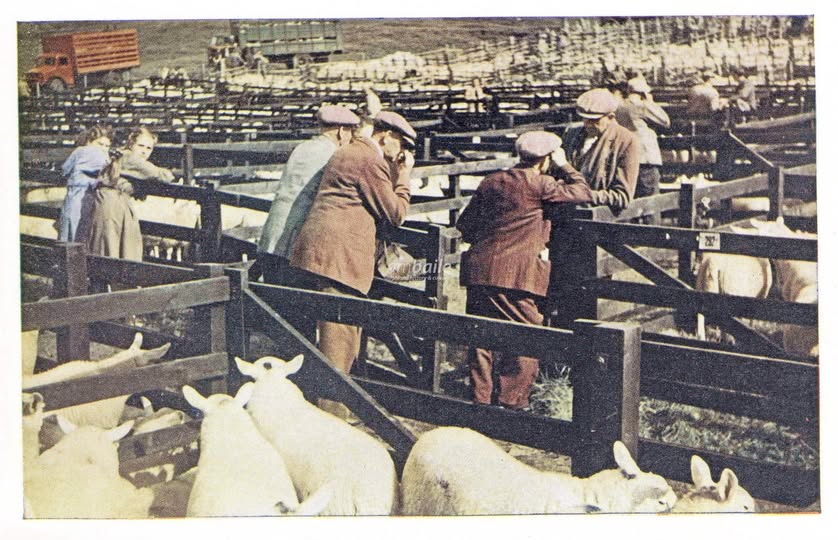
Highland Libraries' postcard collection sheep auction circa 1959

One of the village’s greatest traditions continues today at the livestock market, located just a short walk from the station.

For generations, Lairg has been one of Scotland’s leading agricultural centres, with its famous autumn sheep sales attracting farmers and buyers from across the Highlands and beyond.

John Robert (JR) Campbell of Shinness set up the first Lairg Sheep Sale in 1894. Prior to that, sheep had to be taken for sale to Ross-Shire (Ardgay or Dingwall). At its peak, it was the biggest one-day lamb sale in the world!

The first Lairg lamb sale could attract around 40,000 entries, with approximately 37,000 lambs sold. A second lamb sale, usually held six to eight weeks later, could see a further 15,000 lambs sold.

The railway played an important role in moving livestock onwards from Lairg. A livestock train could carry around 3,000 lambs, requiring railway staff to load, marshal and dispatch trains south from the station.

Although sheep now travel almost exclusively by road, the auction mart remains central to the life of the village and a proud reminder of Lairg’s agricultural heritage.

Celebrating Crofting Traditions

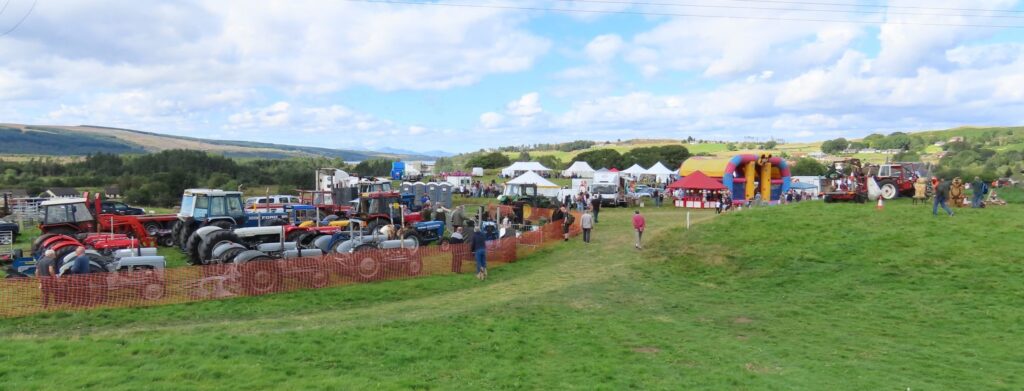
Photo from Lairg Crofters

Every August, Lairg hosts the Lairg Crofters’ Show, established in 1911 and widely recognised as the last remaining crofters’ show on mainland Britain.

The show celebrates the very best of Highland life, with livestock competitions, sheepdog demonstrations, horticulture, local crafts, food and family entertainment.

For visitors arriving by train, it offers a wonderful opportunity to experience traditions that have shaped this landscape for generations.

A Village That Once Bustled

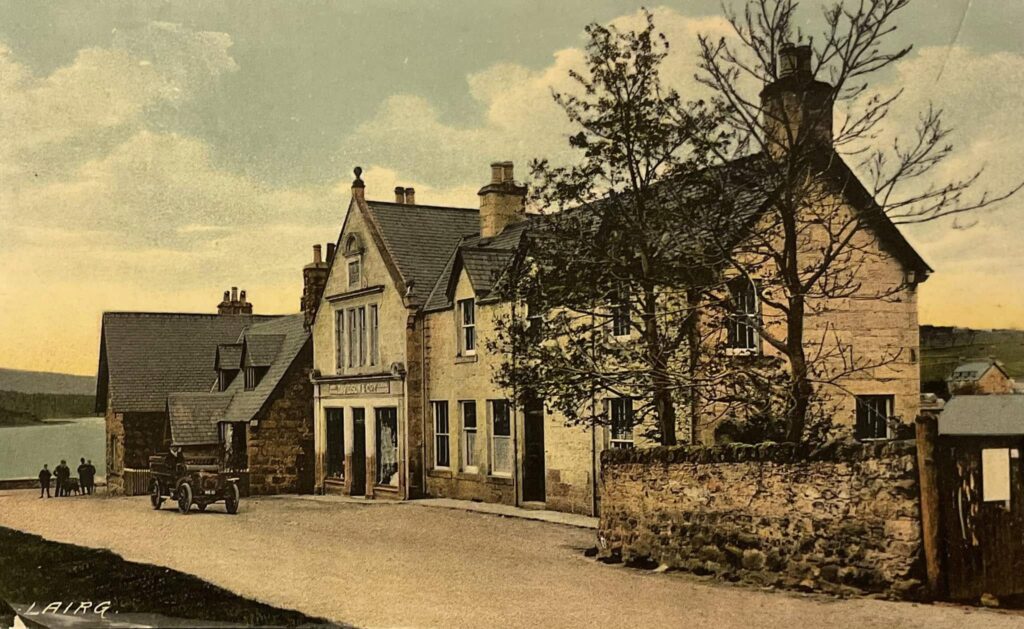
Photo from Lairg History Society

Like many rural communities across Scotland, Lairg has changed significantly over the last century.

Its Main Street once supported a far wider range of shops and businesses than it does today. Grocers, outfitters, garages, hotels, agricultural suppliers and local tradespeople all relied on the constant flow of customers arriving from surrounding communities, many of whom travelled by train.

As car ownership increased and shopping patterns changed, many of those businesses gradually disappeared.

Yet the village remains welcoming and vibrant, with independent businesses, cafés and community organisations continuing a tradition of serving both local residents and visitors exploring the Highlands.

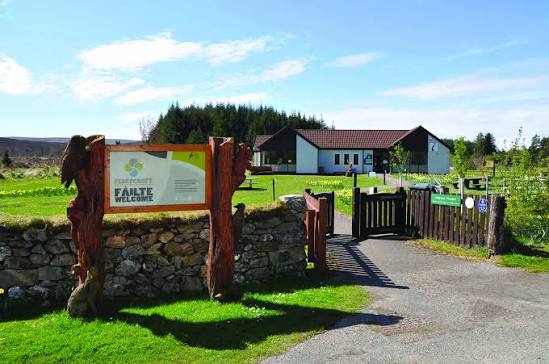
Discover Ferrycroft Visitor Centre

Photo from Highlife Highland Ferrycroft

Just a short distance from the village centre, the Ferrycroft Visitor Centre provides an excellent introduction to the area’s history, wildlife and landscapes.

Changing exhibitions explore local heritage, archaeology, crofting, wildlife and geology, while displays have celebrated the history of the Far North Line itself.

One of the most fascinating stories tells of the Lairg meteorite impact, when a meteorite struck the area around 1.2 billion years ago, leaving behind one of Scotland’s oldest known impact sites.

It’s an extraordinary reminder that Lairg’s story stretches back far beyond recorded history.

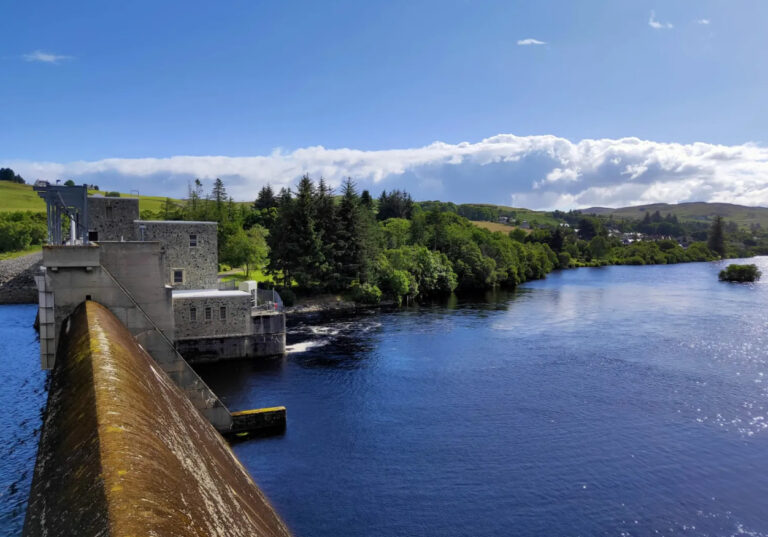
Harnessing the Power of the Highlands

Photo from Off the Beaten Track

Just beyond the village lies Loch Shin, the largest loch in Sutherland.

During the 1950s, the area became part of one of Scotland’s most ambitious engineering projects – the North of Scotland Hydro-Electric Scheme.

The construction of the Shin Dam transformed the landscape, creating renewable energy that still powers homes and businesses today. It also brought new employment and investment to the area, marking another important chapter in Lairg’s long history of adapting to change.

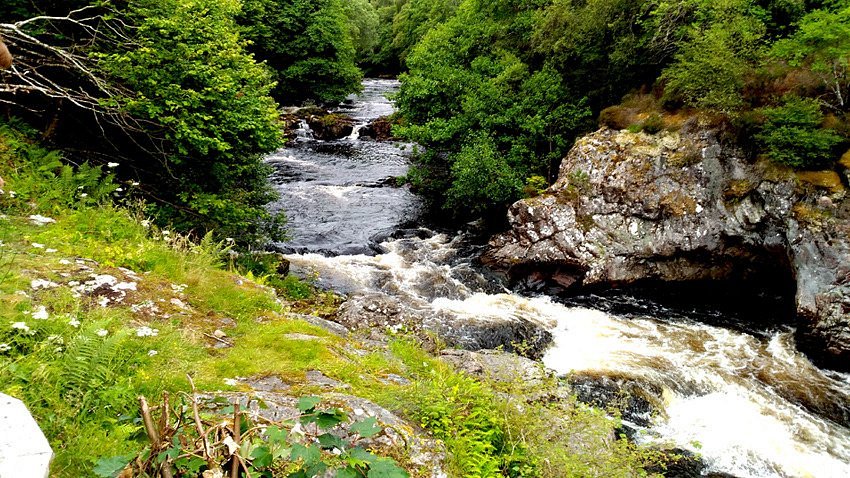
A Landscape Rich in Wildlife

Photo from GreenThumb331

Lairg is surrounded by some of Scotland’s finest landscapes.

Whether you’re walking through woodland at Shin Forest, watching salmon leap at the Falls of Shin, cycling quiet Highland roads or simply enjoying the views across Loch Shin, there’s no shortage of opportunities to experience nature.

Keep an eye out for red deer, golden eagles, ospreys and red squirrels, all of which can often be spotted in the surrounding countryside.

Climbing into the Highlands

As trains leave Lairg heading north, they near the end of one of the most demanding climbs on the Far North Line.

The line rises steeply from Invershin towards Lairg Summit, a short distance beyond Lairg station, once so challenging that, in the days of steam, a special banking engine travelled from Helmsdale each morning to help heavy trains tackle the gradient. During harsh Highland winters, railway workers often battled deep snowdrifts by hand, digging through blocked cuttings to keep the line open.

It’s a reminder of the determination and skill required to build and operate a railway through one of Britain’s wildest landscapes.

More Than a Stop Along the Way

It is easy to think of Lairg simply as somewhere to pass through on the journey north.

In reality, it is a destination in its own right.

Its railway heritage, thriving livestock market, fascinating geology, hydro-electric history, crofting traditions and spectacular scenery all combine to tell the story of a community that has always adapted while remaining true to its Highland roots.

Whether you’re exploring the exhibitions at Ferrycroft, visiting the Crofters’ Show, watching the bustle of the livestock market or simply enjoying one of the world’s great railway journeys, Lairg offers a warm Highland welcome and a wealth of stories waiting to be discovered.

So next time you’re travelling on the Far North Line, why not step off the train and spend some time in the village that has connected the Highlands for generations?

Did You Know?

  • Lairg railway station opened on 13 April 1868, making it one of the earliest stations on the Far North Line.
  • The station is located around two miles south of the village, originally serving as the railhead for much of north-west Sutherland.
  • At its height, the first Lairg lamb sale could attract around 40,000 entries, with approximately 37,000 lambs sold. A second sale, usually held six to eight weeks later, could see a further 15,000 lambs sold. Livestock trains could carry around 3,000 lambs each to farms further south. At its peak, it was the biggest one-day lamb sale in the world!
  • Lairg once had a brickworks beside the railway, producing distinctive white bricks until the 1950s.
Scroll to Top